Vernal, Utah Winter Home Preparation: Why a "Super El Niño" Season Makes Water Damage Prevention Essential
If you've spent even one winter in the Uintah Basin, you already know Vernal doesn't do mild weather. Overnight lows routinely fall below zero, the valley's stubborn temperature inversions lock in frigid air for days on end, and drifting snow can bank up against north-facing foundations even while other parts of the yard remain bare. For local homeowners, getting ready for winter isn't optional busywork — it's what separates a peaceful January from a burst pipe at 2 a.m. and a flooded basement.
This year gives homeowners even more reason to get serious about prep. Meteorologists are tracking a fast-intensifying El Niño that many are already labeling a "Super El Niño," and it looks poised to be one of the most significant winter weather patterns the Mountain West has faced in years.
What "Super El Niño" Really Means
The term "Super El Niño" isn't an official NOAA designation — it's a nickname forecasters use for an unusually powerful El Niño, defined by central Pacific sea-surface temperatures running more than 2 degrees Celsius above normal. According to NOAA's July 2026 update, that ocean-temperature benchmark had already risen from about 0.9°C to 1.2°C above average within a single month, and the Climate Prediction Center currently estimates roughly an 81 percent chance the event reaches "very strong" strength between October and December 2026, with some sources reporting figures as high as 88 percent. Forecasters also give it a 97 percent likelihood of lasting into early spring 2027.
Utah's relationship with El Niño winters is notably mixed. Southern Utah and the higher elevations of the Great Basin — including the Uinta Mountains that supply water to the Uintah Basin's rivers and reservoirs — typically see storms track farther south, which usually means better-than-average mountain snowfall. Northern Utah's Wasatch Range, by contrast, tends to start the season slowly, with a quiet November and December before storm activity picks up from January onward. The most recent strong El Niño winter, 2023–24, followed this exact script: a slow, disappointing start followed by a much stronger back half of the season.
Why This Winter Carries Extra Stakes
The backdrop this year makes all of this more urgent. Utah just wrapped up its lowest snowpack season on record, with statewide peak snowpack reaching only about half of a typical year's total and pushing the governor to declare a statewide drought emergency. Reservoir inflows ran near 50 percent of normal, and drought conditions touched nearly every corner of the state at some point during the year.
Swinging from a severely dry, drought-hardened year straight into a potentially very strong, moisture-heavy El Niño winter is precisely the kind of extreme that puts real stress on homes and infrastructure. Ground that's been dry and compacted for months tends to absorb sudden moisture unevenly, which can shift foundations and create new gaps around basement walls, window wells, and utility openings. On top of that, a bigger-than-expected snow year adds extra weight to rooftops, sends more meltwater toward foundations with every freeze-thaw cycle, and puts added pressure on pipes, sump pumps, and drainage systems that haven't been stress-tested in a while.
Homeowners across Vernal and the wider Uintah Basin should approach this as a "brace for both ends of the spectrum" winter — recovering from last year's drought while staying ready for a far wetter, stormier season that could follow it.
A Homeowner's Winter Water Damage Prevention Checklist
Whether you've called the Basin home for decades or you're new to Uintah County, these are the fall preparation steps our restoration team recommends every year — and they carry extra weight heading into a possible Super El Niño winter:
1. Insulate and seal exposed pipes. Calls for frozen pipe repair jump every year as soon as the first hard freeze hits Vernal. Wrap pipes located in unheated crawlspaces, garages, and exterior walls with foam insulation, and close off drafts near pipe entry points. A burst pipe caused by hard freezing is among the most common — and costliest — sources of residential water damage across northeastern Utah.
2. Locate your main water shutoff valve. During an active water leak, the first minute matters far more than the next hour. Make sure everyone in your household knows where the shutoff valve is and how to operate it before there's an emergency — not while one is unfolding.
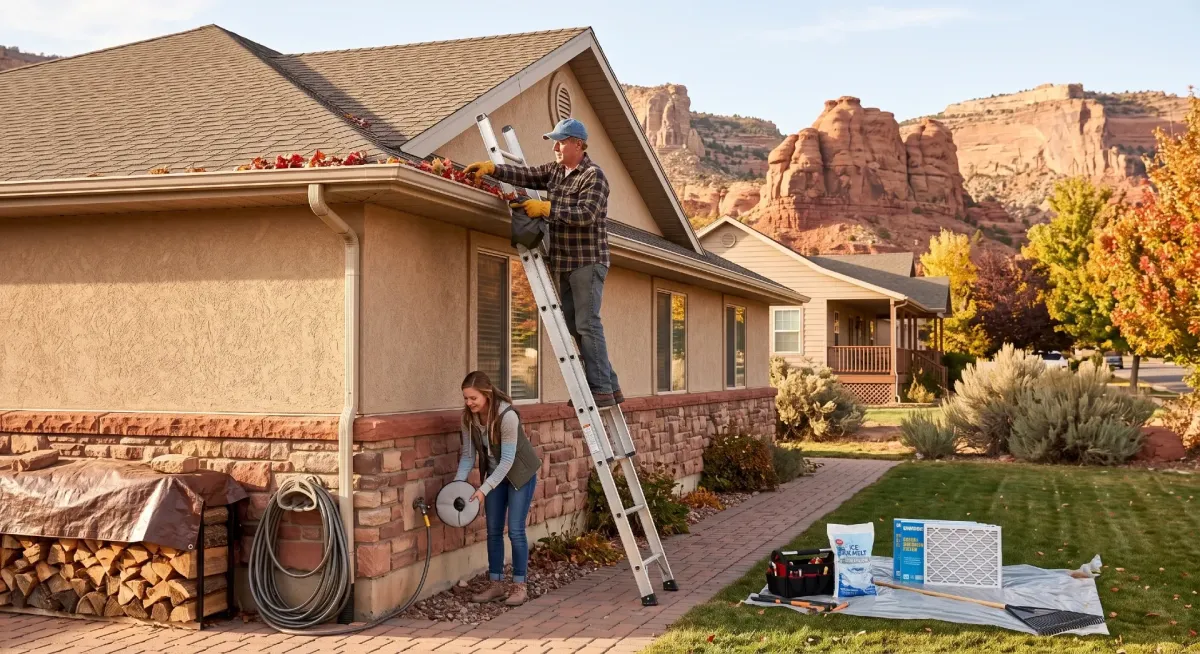
3. Clear gutters and downspouts before the season's first snow. Ice dams develop when melted snow refreezes at the roofline, and they're a leading cause of roof leaks and attic water intrusion during Basin winters. Point downspouts at least four to six feet away from your home's foundation.
4. Run a test on your sump pump now. If your home depends on a sump pump to handle groundwater or seasonal basement moisture, verify it works before the snow arrives — not after a January thaw sends water into your basement. A battery backup is worth considering too, given how common winter-storm power outages are in rural Uintah County.
5. Check your roof and attic insulation. Escaping heat from a poorly insulated attic speeds up snowmelt and encourages ice dam buildup. A quick roof inspection today could save you from a costly emergency roof leak repair down the road.
6. Inspect your water heater and appliance hoses. Old water heaters and deteriorating supply lines are a common cause of indoor flooding. Swap out any hoses that show signs of wear, and take stock of your water heater's age and condition before winter sets in.
7. Regrade and seal around your foundation. A drought year can leave foundations with small cracks as the surrounding soil shrinks. Walk the perimeter of your property and look for low spots where melting snow or runoff could collect against your foundation. Sealing them now costs far less than emergency basement water extraction later.
8. Keep a trusted restoration company's number on hand. Even a well-prepared home can face a burst pipe, roof leak, or failed sump pump during a major storm. Knowing who to contact for 24/7 emergency water damage restoration ahead of time can be the difference between a quick cleanup and a full mold remediation and structural drying project.
The Bottom Line for Uintah Basin Homeowners
No one can predict with certainty exactly how much snow Vernal will get this winter — even a very strong El Niño affects Utah's mountain ranges inconsistently, and the National Weather Service's official winter outlook won't be finalized until closer to fall. Still, the overall signal is unmistakable: coming off one of the driest years in state history, forecasters are now watching one of the most powerful El Niño setups in recent memory build across the Pacific. That kind of extreme-to-extreme shift deserves attention.
Whether this winter brings a standout snow season to the Uintas or a more unpredictable stretch of freeze-thaw cycles, the homeowners who fare best are the ones who prepare their pipes, roof, gutters, and foundation before the first storm hits — not after the first flood. If water damage does strike your home this winter, don't hesitate to reach out for help. Fast, professional water extraction and drying within the first 24 to 48 hours is the single most important factor in preventing lasting structural damage and mold growth.
Worried about how ready your home is for winter, or already dealing with water damage? Our local restoration team serves homeowners throughout Vernal and the greater Uintah Basin with emergency water extraction, structural drying, and mold remediation — available around the clock whenever winter weather strikes.
